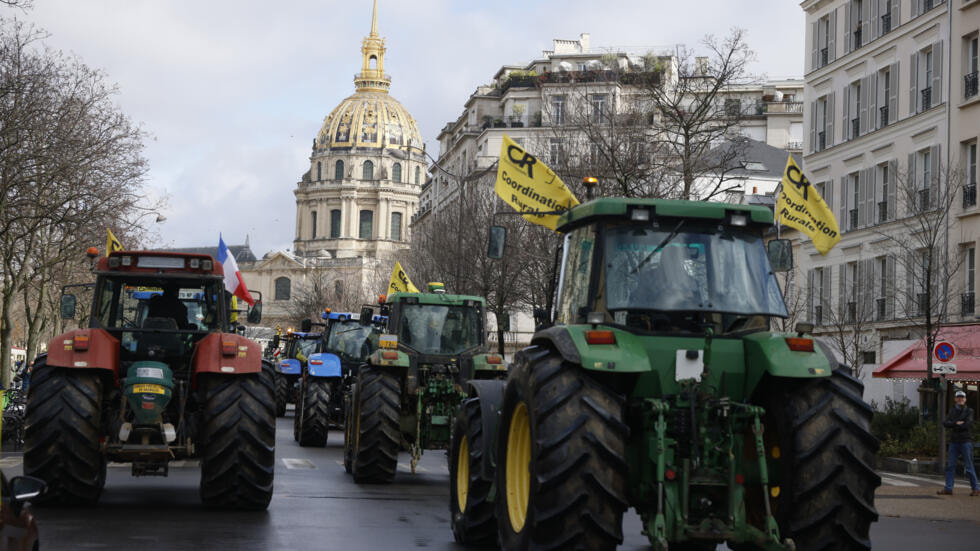
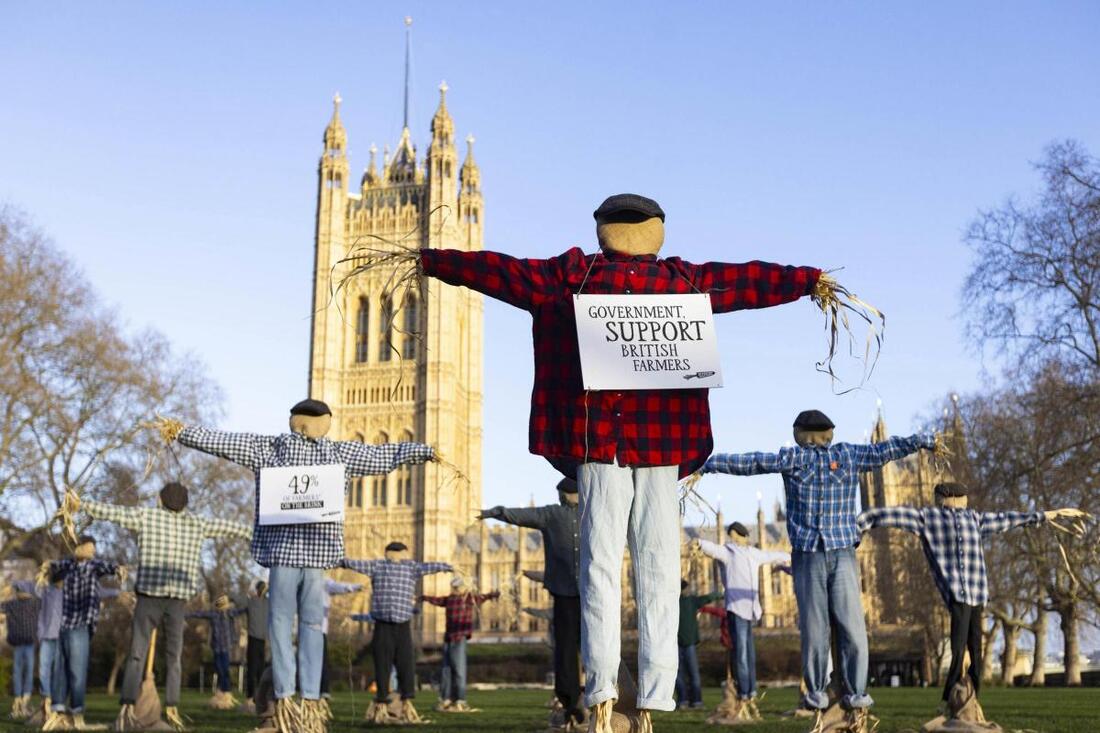
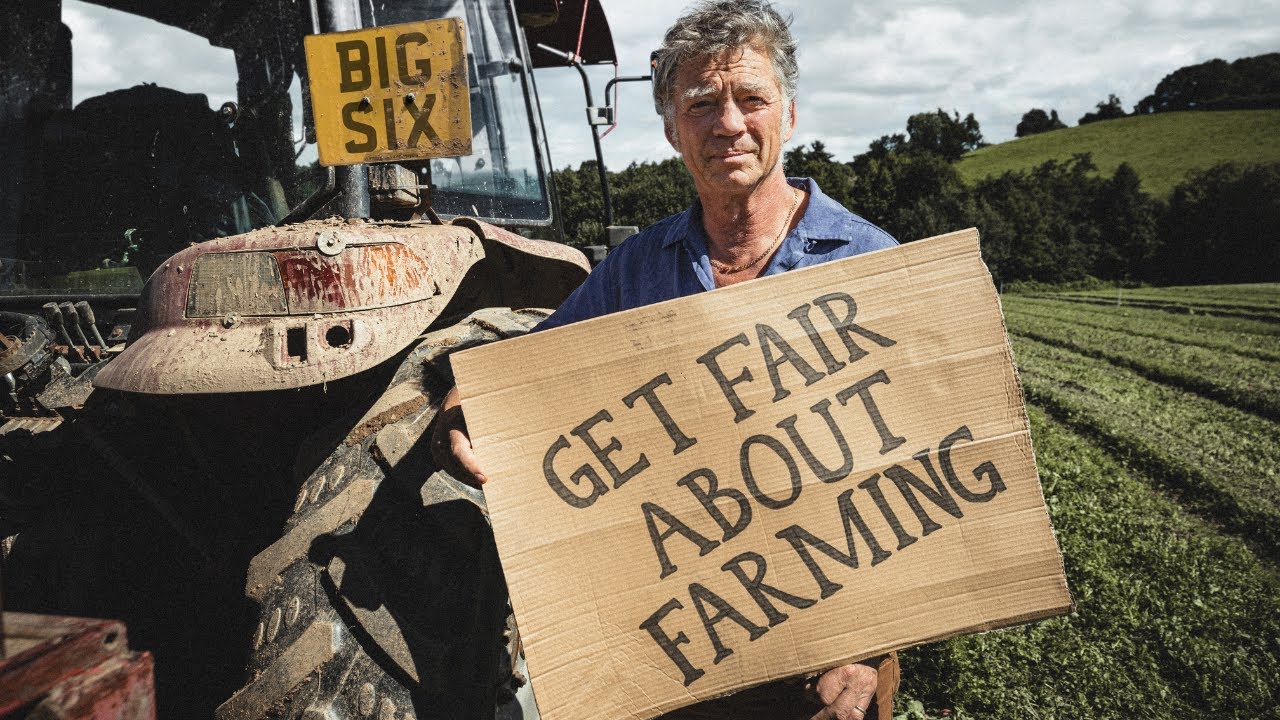
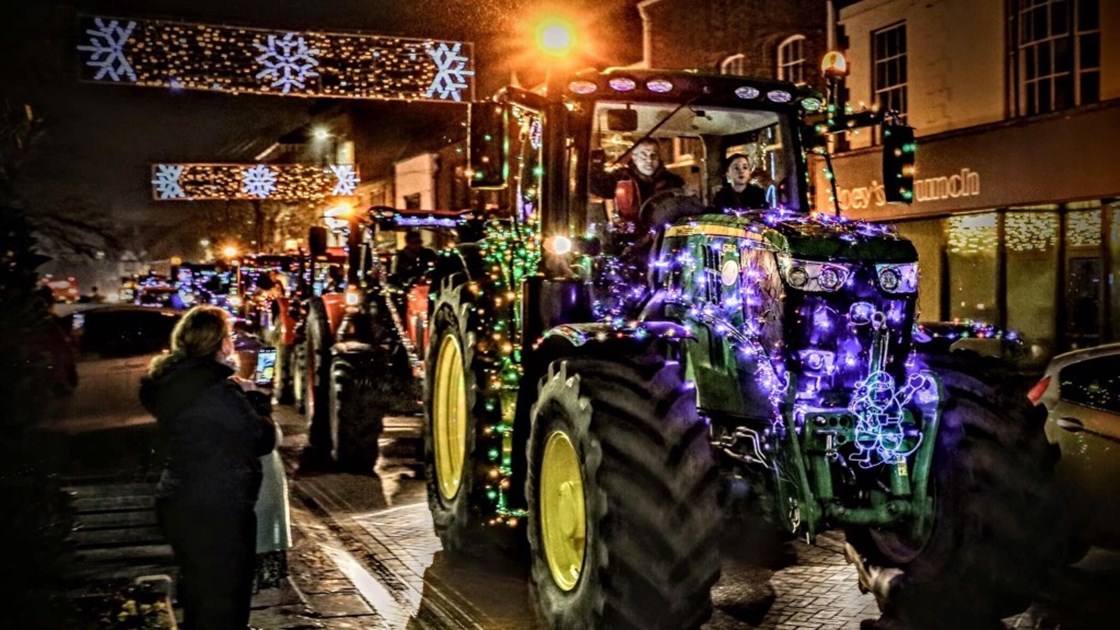
I never thought I would live to see the day when farmers descended upon Westminster with 100 tractors in their desperation to catch the ear of a Conservative Government and Prime Minister. Their plea was to be treated fairly, not have to compete with cheap imports, red tape, supermarkets paying them less than production costs, and their concerns about food security v the environment. Placards read, No Farmers, No Food, No Future.
In September 2000 I was one of the organisers of a similar demonstration. On that occasion we led 250 tractors to Brighton, to the Labour Party Conference. Tony Blair was PM, Nick Brown Defra Minister, and John Prescott’s response was, “Today we saw the contorted faces of the countryside”, which he aimed at the Countryside Alliance who were at the time trying to prevent the Labour Government banning Foxhunting.
Then farmers rallied to the call to arms and drove their tractors from across the Southeast. We were asking the Government to consider: ‘The farmgate and retail price differential - Rising fuel prices, passed down through the distribution network to the farmer – Poor public awareness of the high standards of food production in British farming – The case for a transparent pricing policy/a supermarket (retailer) regulator - Lack of infrastructure – a shortage of abattoirs and livestock markets – The mass of red tape and regulations which was suffocation and bleeding the industry dry – To note that during the fuel shortage the products which the public first cleared from supermarket shelves were milk and bread – What incentive were they giving to encourage the farmers of tomorrow?
We concluded saying ‘We have come on behalf of farmers throughout Great Britain. We have come on behalf of farmers who were destroyed by a broken spirit and broken heart. We have read their obituaries in the Farmers Weekly month after month. Time is now running out, you have been ‘listening’ for too long, now is the time to act.’
Clearly little has changed, the farmers who went to London could well have included our list to theirs. Labour clearly had little respect or interest in the countryside or food production. The Conservatives lack leadership and have lost their way but stubbornly refuse to take advice from those who could have led them in the right direction on many fronts, time is now not on their side.
It is shocking to hear that farmers who have needed to claim benefits are being told their businesses are “hobbies” and they should get a proper job. The old benefit system calculated on an annual basis is now replaced by Universal Credit which are assessed monthly.
Farmers put food on our plates, much of which is seasonal, therefore income peaks and troughs, feast, or famine. Production and sales vary wildly over the year as we deal with animals, and plants which grow according to the seasons, or not as it happens, due to climate change.
In September 2000 I was one of the organisers of a similar demonstration. On that occasion we led 250 tractors to Brighton, to the Labour Party Conference. Tony Blair was PM, Nick Brown Defra Minister, and John Prescott’s response was, “Today we saw the contorted faces of the countryside”, which he aimed at the Countryside Alliance who were at the time trying to prevent the Labour Government banning Foxhunting.
Then farmers rallied to the call to arms and drove their tractors from across the Southeast. We were asking the Government to consider: ‘The farmgate and retail price differential - Rising fuel prices, passed down through the distribution network to the farmer – Poor public awareness of the high standards of food production in British farming – The case for a transparent pricing policy/a supermarket (retailer) regulator - Lack of infrastructure – a shortage of abattoirs and livestock markets – The mass of red tape and regulations which was suffocation and bleeding the industry dry – To note that during the fuel shortage the products which the public first cleared from supermarket shelves were milk and bread – What incentive were they giving to encourage the farmers of tomorrow?
We concluded saying ‘We have come on behalf of farmers throughout Great Britain. We have come on behalf of farmers who were destroyed by a broken spirit and broken heart. We have read their obituaries in the Farmers Weekly month after month. Time is now running out, you have been ‘listening’ for too long, now is the time to act.’
Clearly little has changed, the farmers who went to London could well have included our list to theirs. Labour clearly had little respect or interest in the countryside or food production. The Conservatives lack leadership and have lost their way but stubbornly refuse to take advice from those who could have led them in the right direction on many fronts, time is now not on their side.
It is shocking to hear that farmers who have needed to claim benefits are being told their businesses are “hobbies” and they should get a proper job. The old benefit system calculated on an annual basis is now replaced by Universal Credit which are assessed monthly.
Farmers put food on our plates, much of which is seasonal, therefore income peaks and troughs, feast, or famine. Production and sales vary wildly over the year as we deal with animals, and plants which grow according to the seasons, or not as it happens, due to climate change.






 RSS Feed